
Retrospective planning application for a new fence or wall
Fences and walls serve many purposes, from enhancing privacy and security to improving the aesthetics of a property. However, erecting a new fence or wall without proper planning permission can lead to complications, including the need to submit a retrospective planning application. This article will explore the intricacies of retrospective planning applications for fences and walls, focusing on submission requirements, common issues, and the role of permitted development rights.
Don’t complicate your case further by submitting a retrospective application alone…Let us help you!
We have great success rates at securing planning consent for retrospective planning applications!
Understanding Retrospective Planning Applications
A retrospective planning application is submitted when a structure, such as a fence or wall, has been built without obtaining the required planning permission. While these applications provide an opportunity to regularise unauthorised development, they are not guaranteed approval. Local planning authorities evaluate them using the same criteria as standard applications, focusing on compliance with local and national planning policies.
Erecting a fence or wall without prior permission is considered a breach of planning control under the Town and Country Planning Act 1990. However, it is not a criminal offence unless an enforcement notice has been issued and ignored.
Permitted Development Rights and Fences or Walls
Under the Town and Country Planning (General Permitted Development) (England) Order 2015, certain works, including fences and walls, can be carried out without planning permission under permitted development rights. However, these rights are subject to specific conditions and limitations:
Key Criteria for Permitted Development
- Height Restrictions:
- Fences and walls up to 2 metres in height are generally permitted.
- If adjacent to a highway (including footpaths), the height must not exceed 1 metre.
- Conservation Areas and Listed Buildings:
- In conservation areas, permitted development rights are often restricted.
- Erecting a fence or wall near a listed building typically requires planning permission.
- Removal of Permitted Development Rights:
- Some properties have conditions attached to their planning consent or are subject to an Article 4 Direction, removing permitted development rights.
- Boundary Considerations:
- Permitted development rights apply only to structures within the applicant’s boundary. Any encroachment onto neighbouring land may require a boundary agreement.
When a Retrospective Application is Needed
If the fence or wall exceeds these permitted development criteria or has been built in an area with restricted rights, a retrospective planning application will be required.
Submission Requirements for a Retrospective Application
When submitting a retrospective application for a fence or wall, applicants must provide detailed documentation to demonstrate compliance with planning policies and address potential issues.
1. Application Form and Fee
- The correct form must be completed, detailing the dimensions, materials, and purpose of the structure.
- An application fee applies, with the amount depending on the nature of the development.
2. Site and Location Plans
- A location plan identifying the property and the position of the fence or wall is essential.
- A site plan showing the height and alignment of the structure within the context of the property must be included.
3. Design and Access Statement
- If required, this statement should explain the rationale behind the design and how it respects the character of the area.
4. Supporting Evidence
- Photographs of the fence or wall.
- Evidence of neighbour consultation or agreement, particularly if boundary disputes are involved.
5. Heritage Statement (if applicable)
- For properties in conservation areas or near listed buildings, a statement explaining the impact of the fence or wall on heritage assets may be required.
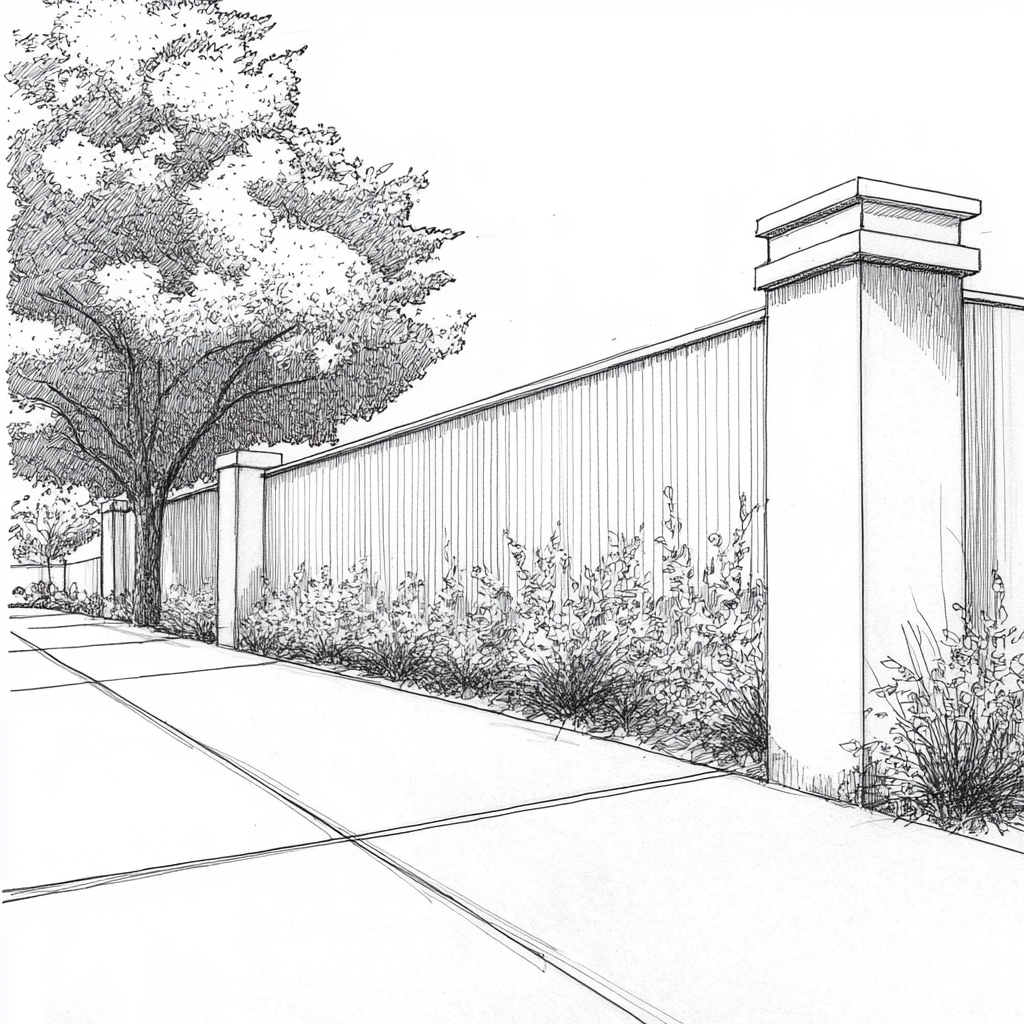
Get a call back today
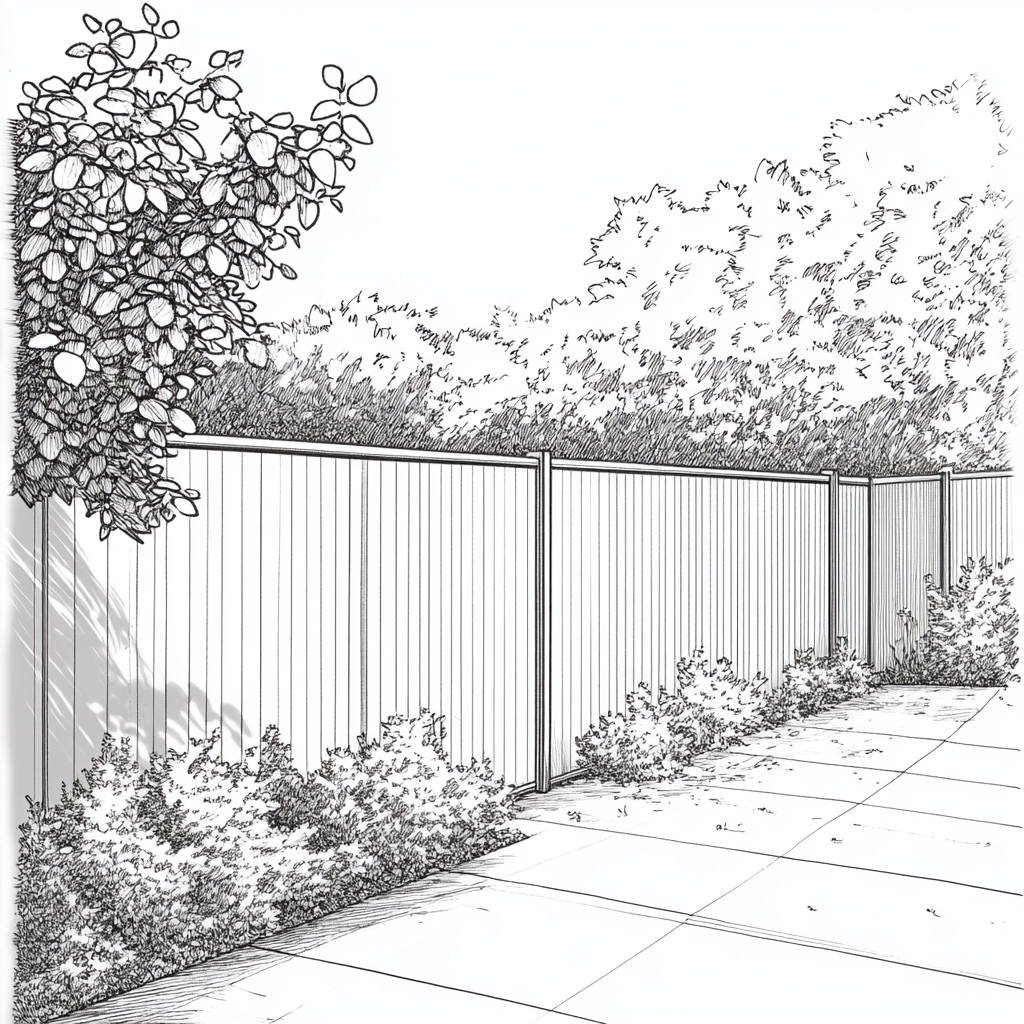
Common Issues and Challenges
1. Height and Visual Impact
Local authorities often refuse retrospective applications for fences or walls that exceed permitted development heights or negatively impact the street scene. Applicants may need to demonstrate that the structure is proportionate and does not harm the character of the area.
2. Neighbour Objections
Unauthorised fences or walls can lead to disputes, particularly if they block light, encroach on boundaries, or are considered unsightly. Engaging with neighbours and addressing their concerns in the application can improve the chances of approval.
3. Impact on Highways
Structures adjacent to highways must not obstruct visibility for drivers or pedestrians. Retrospective applications for such fences or walls often require consultation with the local highways authority.
4. Conservation and Heritage Considerations
In areas with stricter planning controls, such as conservation areas, applications must demonstrate that the structure preserves or enhances the area’s character.
While retrospective planning permission offers a solution for unauthorised property modifications, it’s always best to submit a planning application. Property owners should strive to understand and adhere to planning regulations before commencing any construction to avoid the complexities associated with retrospective applications. Proactive engagement with professionals and the LPA can ensure that developments are both compliant and successful.
Contact RPE today for help with your retrospective planning permission.