
Retrospective Planning Permission for Extending Residential Curtilage and Erection of a Fence
A recent project handled by RPE demonstrates the process of navigating retrospective planning applications for a modest residential development. The case involved regularising the extension of residential curtilage and the erection of a close-boarded fence in Kent. Although relatively straightforward in its scope, the proposal highlighted important considerations in dealing with retrospective permissions, particularly when involving minor developments within residential settings.
The Retrospective Proposal
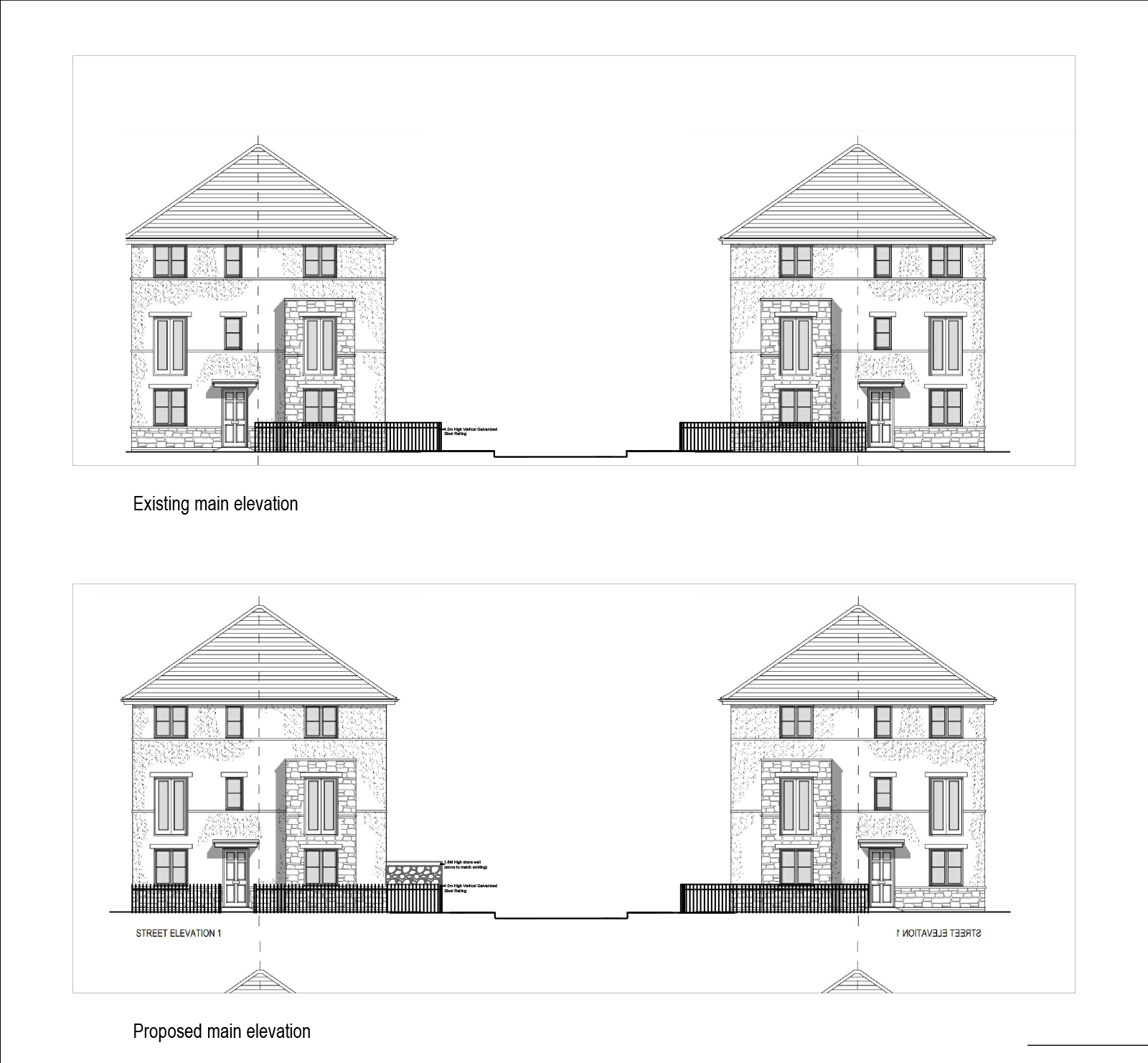
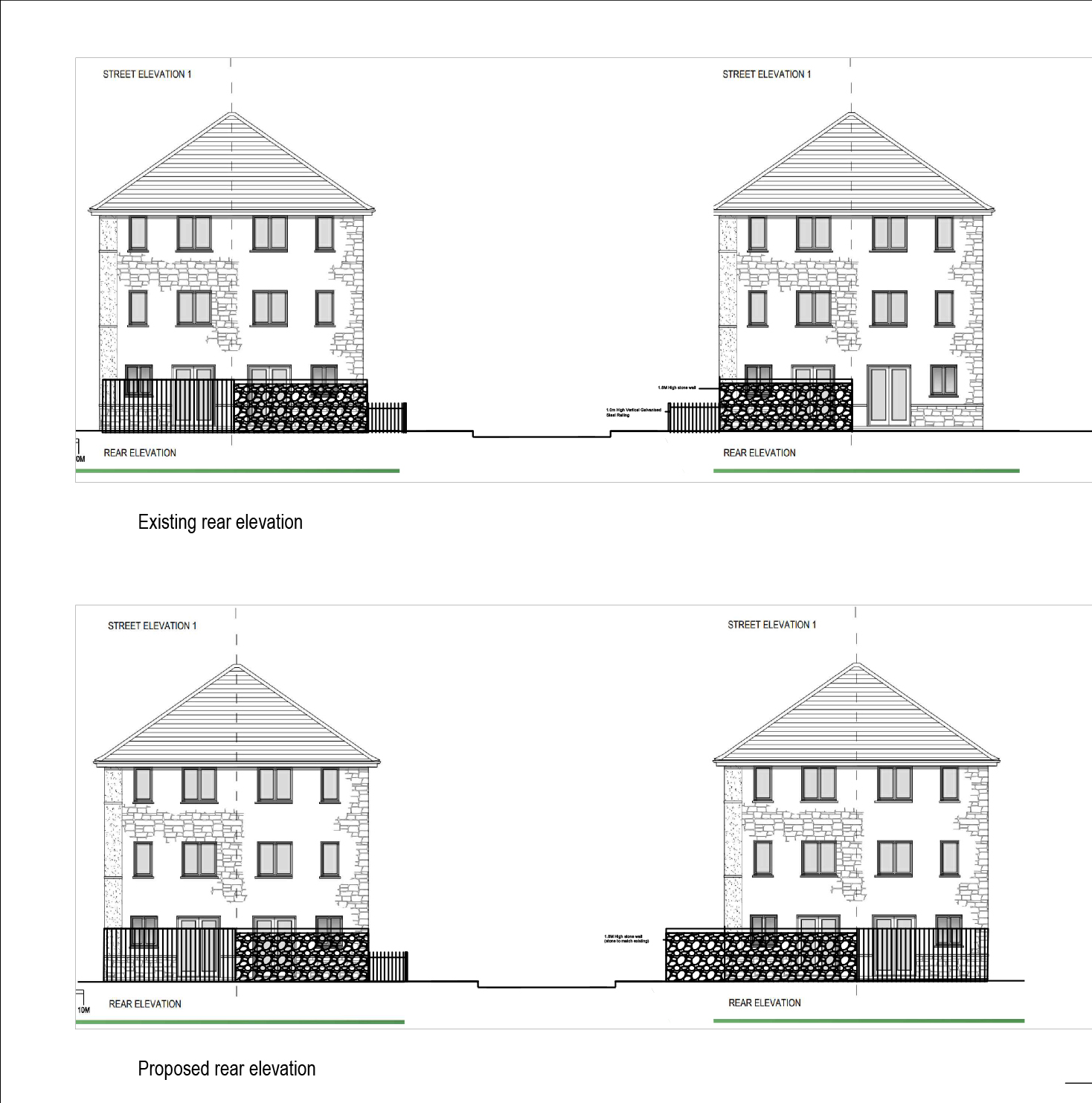
The application sought to retain a fence that had been moved to align with the property boundary, thus extending the residential curtilage and providing additional garden space. The fence, measuring 1.8 metres in height and constructed of timber to match the pre-existing boundary, aimed to harmonise with the local character while improving the privacy and usability of the outdoor space.
Key Challenges
The proposal encountered a number of planning considerations:
- Policy Compliance: Ensuring the development complied with local and national planning policies, including those concerning residential boundary treatments within settlement boundaries.
- Flood Risk: The site’s location within Flood Zone 3 necessitated assurance that the development would not exacerbate local flood risks.
- Visual and Design Impact: The relocated fence needed to blend seamlessly with the existing environment, respecting local character and visual amenity.
- Highway Safety: As the fence was near a private driveway adjacent to an unclassified road, concerns regarding vehicular and pedestrian visibility had to be addressed.
Get a call back today
Strategic Approach
RPE adopted a methodical approach to address these challenges:
- Policy Justification: The proposal aligned with Dover’s Core Strategy, which allows for such developments within settlement boundaries. The application also adhered to design principles outlined in the National Planning Policy Framework (NPPF).
- Flood Mitigation: It was demonstrated that the development posed no impact on local flood risks, given its small scale and modest nature.
- Design Considerations: The use of materials and scale consistent with the original fence minimised visual disruption, ensuring compatibility with the residential setting.
- Highway Analysis: A detailed evaluation established that the fence did not obstruct visibility for drivers or pedestrians, given the low traffic volume and clear sightlines near the site.
Outcome
The local planning authority granted retrospective planning permission, recognising the development’s compliance with key planning objectives. The decision highlighted the careful balance achieved between enhancing the applicant’s property and maintaining the area’s character and safety. Additionally, the authority acknowledged the social benefits of increased privacy and usability of outdoor space without adverse environmental, visual, or highway impacts.
Conclusion
This case underscores the importance of thorough planning and professional representation when addressing retrospective applications. RPE’s expertise in managing such projects ensures compliance with complex planning policies while advocating for the applicant’s needs. This success story exemplifies how minor residential developments can proceed harmoniously within broader planning frameworks, contributing positively to the local community.